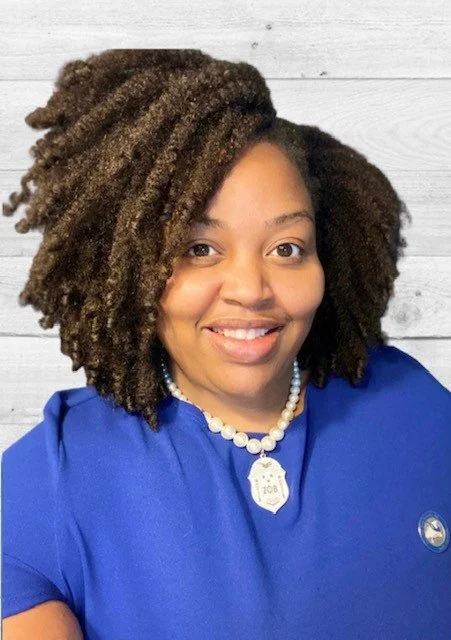
Why Keeping Children Connected to Their Communities Matters in Foster Care
When a child enters foster care, they don’t just leave a house. They leave behind the people who know their story. It may be the church they’ve attended since they were small or the barber who knows exactly how to cut their hair.
Foster care does not happen in isolation. Every child who enters care brings with them a history, relationships, and a sense of identity shaped by their family, culture, and community. When children experience separation from their homes, preserving those connections becomes an important part of supporting their overall well-being.
February is often a time when conversations about history, identity, and community are elevated. It is also a meaningful moment to reflect on how the child welfare system intersects with broader societal systems and why keeping children connected to their communities, culture, and lived experiences matters in foster care year-round.
Foster Care Exists Within Broader Systems
The child welfare system reflects the larger systems in which it operates. Factors related to housing stability, healthcare access, education, and economic opportunity all influence which families are more likely to come into contact with child welfare services and which families are positioned to provide foster care.
These systems do not impact all communities equally. Over time, structural inequities have shaped patterns within foster care that affect both who enters care and who is available to care for children.
Understanding this context helps move the conversation away from individual blame and toward shared responsibility for building more responsive, community-centered systems of care.
Why Community and Cultural Connection Matter for Children
When children enter foster care, they are already navigating significant change. Remaining connected to familiar cultural practices, community spaces, and shared experiences can provide stability during a time of transition.
Community and cultural connection support a child’s sense of belonging. They reduce the need for children to explain who they are and where they come from. These connections often show up in everyday ways: through language, traditions celebrated across generations, knowing how to care for textured hair, cooking foods that taste like a memory, or practicing faith in familiar ways.
For a child who has just moved into a new home, having a foster parent who prepares food the same way their grandmother did or knows how to do their hair can mean the difference between feeling lost and feeling seen.
For many children, staying connected to their culture and community affirms their identity and supports emotional well-being. It reinforces that who they are and where they come from matter, even as other aspects of their lives may be changing.
Understanding Representation in Foster Care
National data helps illustrate why community connection and representation matter.
According to the latest federal child population data from ChildStats, approximately 14% of children in the United States identify as Black or African American.
At the same time, data from the Children’s Bureau’s Adoption and Foster Care Analysis and Reporting System (AFCARS) shows that Black children make up about 23% of children in foster care nationwide.
This representation gap has real implications for children. When fewer foster parents share a child’s cultural background or community roots, it becomes challenging to place children in homes where those connections can naturally be preserved. It’s about the simple reality that a lack of culturally-matched homes mean children may lose access to cultural anchors that help them understand themselves. Addressing this gap is about strengthening foster care so it better reflects and serves the communities most impacted by it.
The Role of Culturally-Matched Foster Parents
Black foster parents play an essential role in helping Black children remain connected to their cultural and community roots. Shared lived experience and cultural understanding can ease transitions and provide children with a sense of familiarity during an uncertain time.
This role is not about being perfect or having all the answers. It is about continuity and offering care within a context that feels recognizable and affirming. When a foster parent shares a child’s cultural background, certain things simply don’t need explanation such as why certain phrases carry weight in history or what it means to navigate the world as a Black child in America. Black foster parents help preserve everyday connections that support identity and belonging.
Increasing the number of Black foster parents also strengthens foster care as a whole. It expands placement options and supports the goal of keeping children connected to their communities whenever possible.
Culturally responsive foster care can happen across racial lines when foster parents are intentional, open to learning, and well supported. When foster parents seek out training, build relationships within a child’s community, and prioritize cultural connection, they can provide loving, affirming homes. At the same time, having more Black foster families helps more children stay connected to their culture without placing the burden of explanation and education on them.
Foster Care as a Community-Based Effort
SAFY knows strong communities are built when families are supported and youth feel connected. Foster care works best when it is rooted in community. Children benefit when the people caring for them understand not only their individual needs, but also the neighborhoods, schools, traditions, and relationships that shape their daily lives.
Community-based foster care recognizes that families do not exist in isolation. Strong partnerships between foster parents, agencies, schools, faith communities, and local organizations help create continuity and stability for children and youth.
SAFY’s approach centers on building and sustaining these connections. By supporting foster parents and working alongside community partners, SAFY helps ensure that care is not only safe, but also responsive to a child’s identity, culture, and lived experience. Read more about SAFY’s Foster Care Services.
SAFY’s Role in Supporting Foster Parents
Becoming a foster parent is a significant commitment, and ongoing support is essential. SAFY partners with foster parents before, during, and after licensure so families are not navigating challenges alone.
Support includes comprehensive training, responsive guidance, access to resources for both practical and emotional needs, and connections to professionals who understand both child welfare systems and family dynamics. This approach allows foster parents to focus on building relationships and providing stability, knowing support is available when questions or challenges arise.
SAFY values the lived experience foster parents bring and recognizes cultural understanding as a strength, not just a bonus. Supporting foster parents means honoring the vital role they play in helping children remain connected to their identity and heritage.
An Invitation Rooted in Connection
For Black individuals and families who have considered fostering, this is an invitation rooted in community and connection. Fostering offers an opportunity to support children in ways that honor their identity, culture, and lived experience while staying connected to the communities they know.
And for foster parents of any background, this work is possible when approached with intentionality and a commitment to centering the child’s culture. When families, regardless of race, seek out training, build authentic relationships, and prioritize cultural connection, they can provide the loving, affirming homes all children deserve.
You don’t need to be an expert. You don’t need to have everything figured out. What you bring matters. Your understanding, your experience, and your presence during a critical time can make a difference.
Foster care is not about doing it alone. With the right support, foster parents become part of a broader network working together to provide care that is stable, responsive, and grounded in belonging.
Ready to learn more? Complete the form to schedule a no-obligation conversation with a foster parent recruiter in your area. During this conversation, you’ll learn:
What fostering actually looks like day-to-day
What training and support SAFY provides
How the licensing process works
What questions you should be asking
Contact SAFY and take the next step into learning more about becoming a foster parent and making that community connection.